Growing up: chick to adult
Chicks stay near the nest and depend on feeds; adults fly the whole valley, hunt for themselves and can pair up to start a nest of their own.
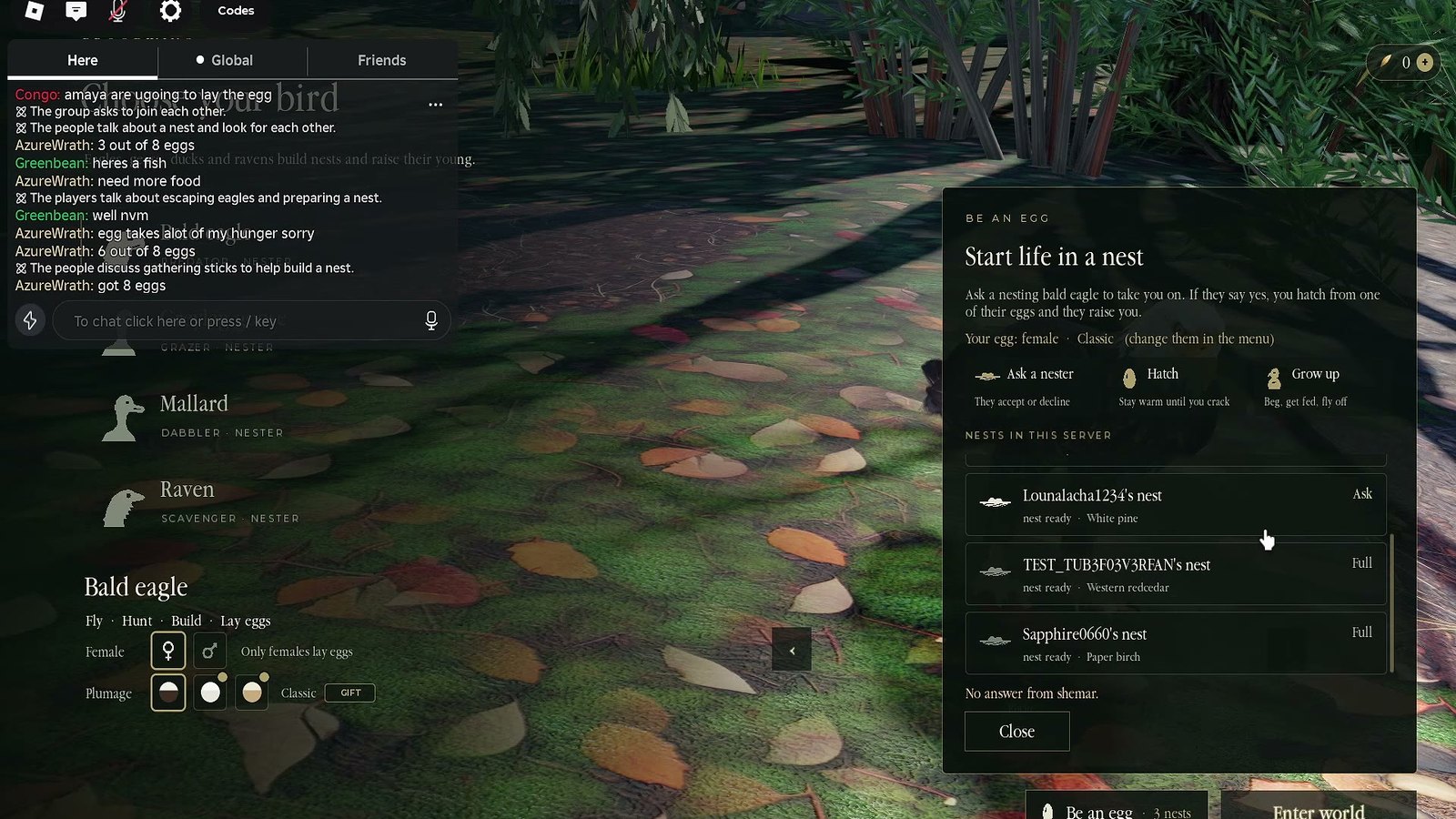
Broodwing's official description puts growth at the centre of the game: you hatch as a baby bird and grow up into an adult. That is the whole arc, and it is worth understanding before you spend a session frustrated that you cannot fly - a chick is not a small adult with worse stats, it is a different set of permissions.
The two ends of the arc
| What you can do | As a chick | As an adult |
|---|---|---|
| Stay alive at the nest | Yes, with help | Yes, unaided |
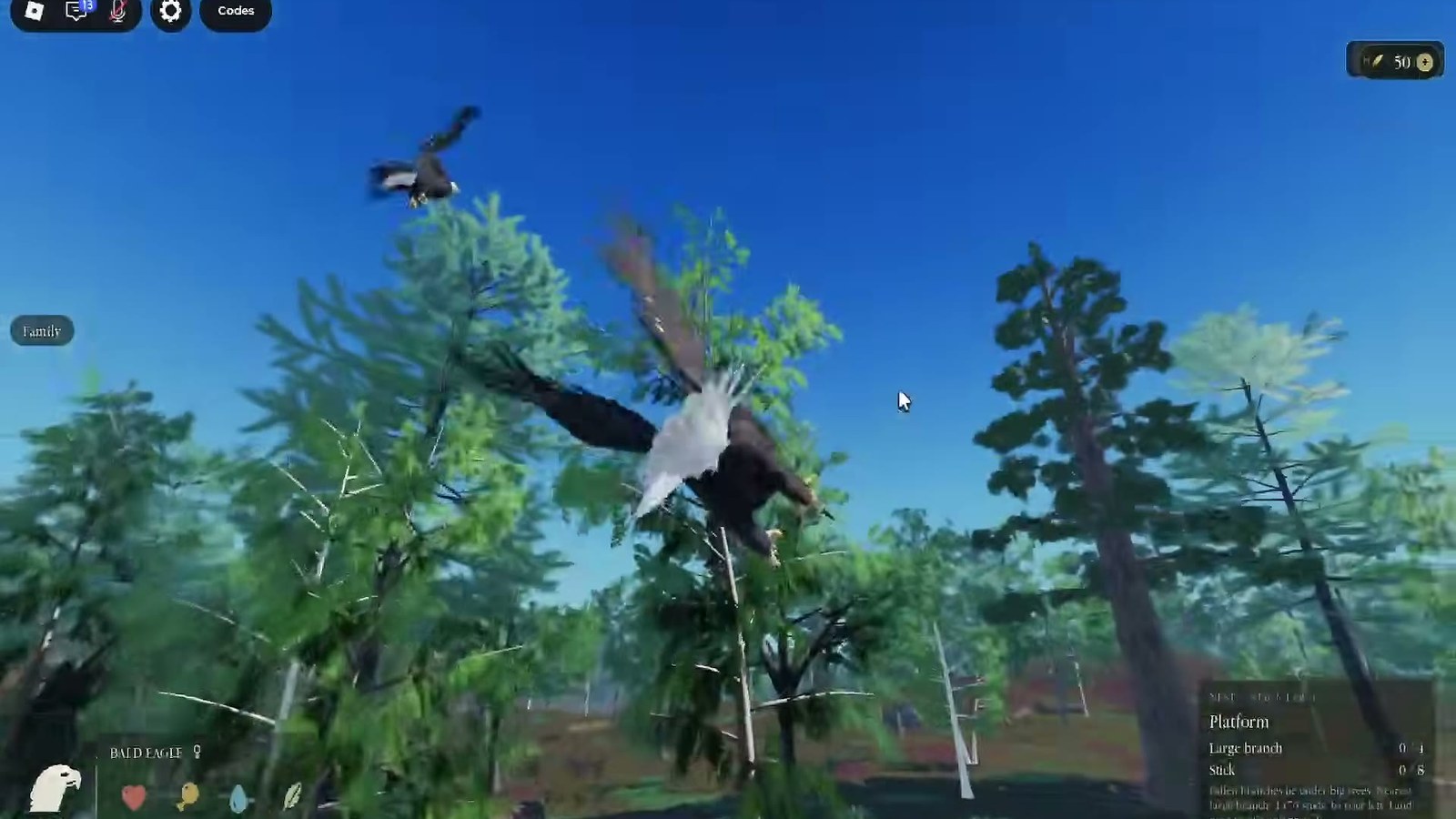
| Fly across the valley | Not far, not reliably | Yes |
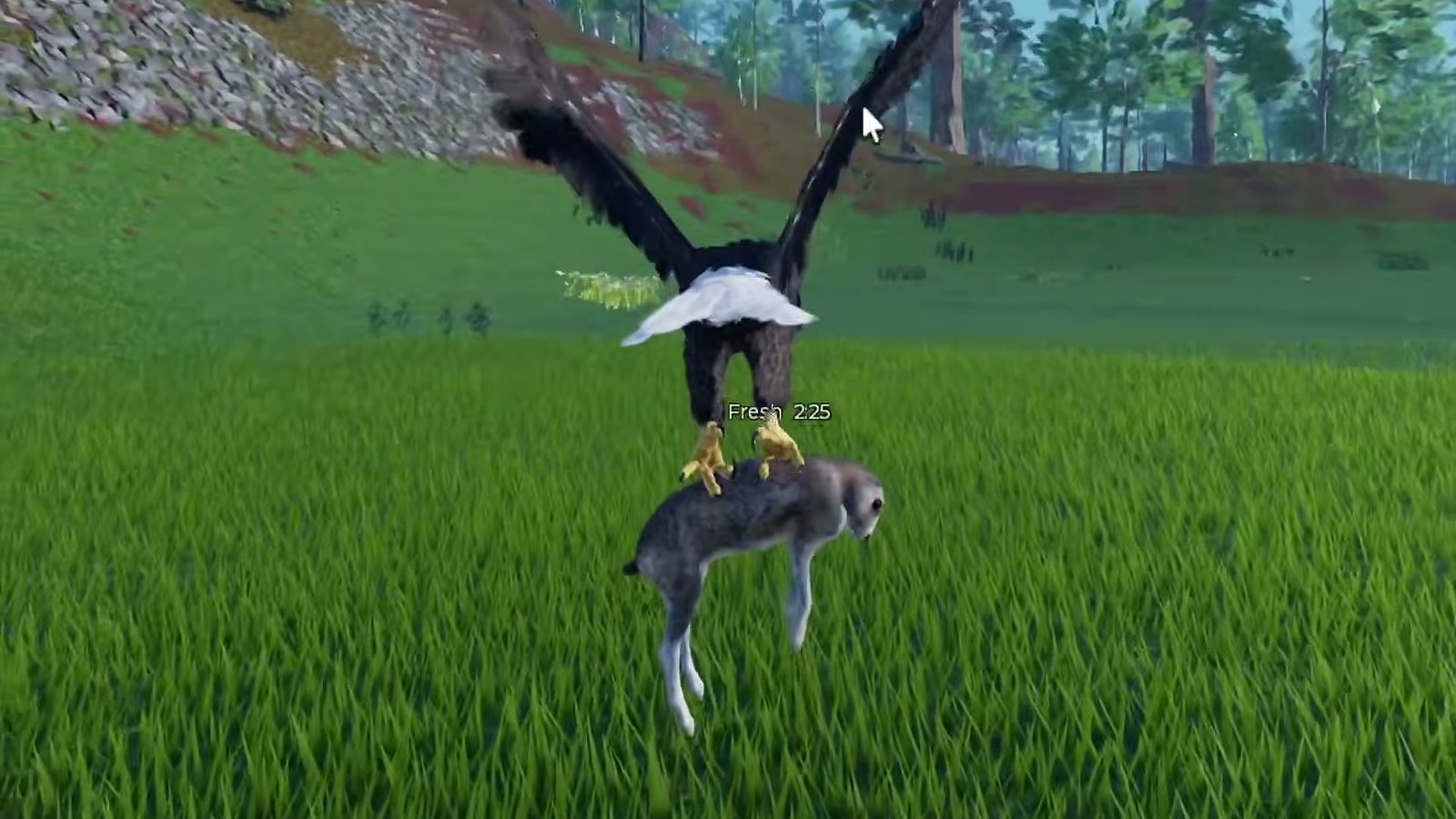
| Hunt for yourself | Only what you can reach | Yes, fish and bunnies |
| Feed someone else | No | Yes |
| Build or claim a nest | No | Yes |
| Pair and start a clutch | No | Yes |
| Change bird later | No | Yes, through a pass |
The table is deliberately short, because the game's own material is short: chick, adult, and the family in between. There is no public list of intermediate ranks, and inventing one would be worse than leaving it out.
What actually drives growth
Food. A chick that is fed regularly reaches the adult end of the arc; a chick that is not does not. There is no training ground, no quest chain, and no alternative currency - which is why every page on this site about food is also a page about growth.
That makes the practical advice simple: stay where the food arrives, and when you are the one bringing it, take short trips. A family that feeds a chick twice an hour grows it faster than a family that brings back a huge catch once and then disappears.
The chick's checklist
If you are playing the chick and want to grow without wasting the session:
- Stay near the nest until you can leave it under control.
- Eat everything that arrives. Growth compounds; a skipped meal is a delay you feel later.
- Practise the two skills you will need as an adult: the hop between branches, and the drop-and-climb from the nest to the ground.
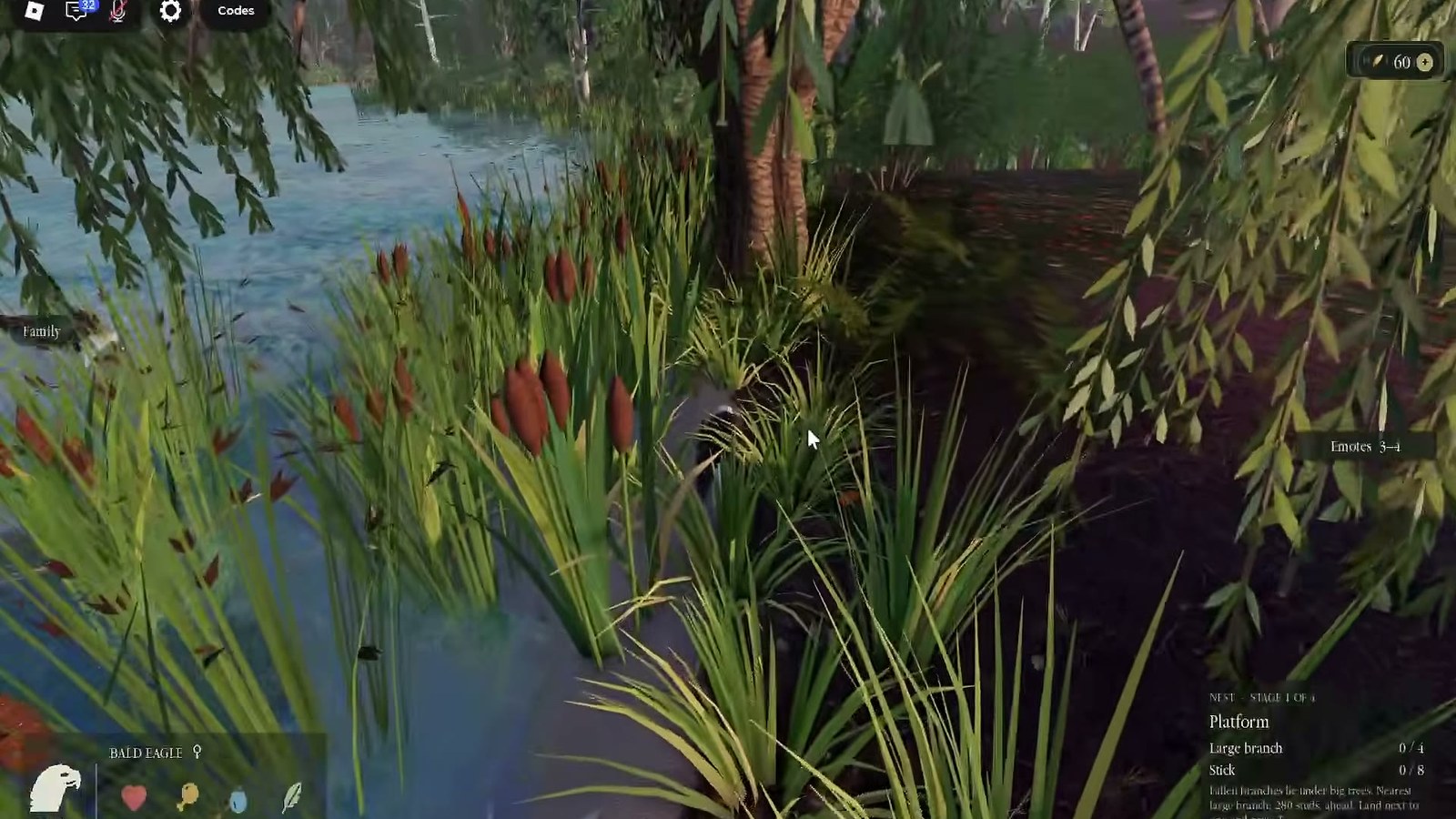
- Watch where the adults go. The route they fly to water is the route you will fly for the rest of your session.
- Do not buy a pass to skip this stage. No pass removes growth; the passes change what you look like when you get there.
Leaving the nest
The first flight away from the nest is the moment the game opens up, and it is where a lot of players lose their first bird. The failure is almost always the same: they launch, panic at the height, turn back, and hit the tree under the nest.
Do it in three steps instead. First, fly one tree away and land. Then fly to the tree line and land. Then fly the full route to the water and back. Each step is a landing you already know how to make, and the last one gives you the round trip that adult play is built on.
What changes when you are adult
Adulthood in Broodwing is not a power spike; it is a set of permissions. You can leave, hunt, build, pair and raise, and those permissions are what the rest of the site is about. The nest building page is the first decision an adult makes, and the eggs page is the second.
There is also a cosmetic side. Once you are adult, the birds you see in the valley are the birds you can become: the four with official evidence are the Barn Owl, the Bald Eagle, the Duck and the Black Swan, and the bird roster explains how each one is unlocked. The developers state plainly that more birds are coming, so treat the current roster as the launch set rather than the final one.
More birds coming soon!
That line is from the official game description, and it is the most reliable roadmap Broodwing has published: no dates, no names, just a promise that the bird list will grow.
Growth and the family
Growth is the reason families exist in this game. A solo bird can grow, but it grows slowly, because every meal it catches is a meal it cannot deliver. A pair grows a chick in a fraction of the time, and a family with three or four adults can raise a clutch while still hunting for themselves.
That is also why the family page is worth reading before your second session: the group structure is not a roleplay extra, it is the growth engine.
A realistic first session
Here is what a first session looks like when it goes well: you hatch, you eat what is brought, you learn the nest edge, you hop to the branch, you follow an adult to the water, you land once on your own, and you come back. That is a full session and it ends with you as a flying bird who knows the map.
A session that goes badly looks like this: you leave the nest early, you cannot fly, you fall, you walk in the grass, nobody finds you, and you log off before the arc starts. The difference between the two is not skill, it is the order of the first twenty minutes - which is exactly what the beginner guide covers.